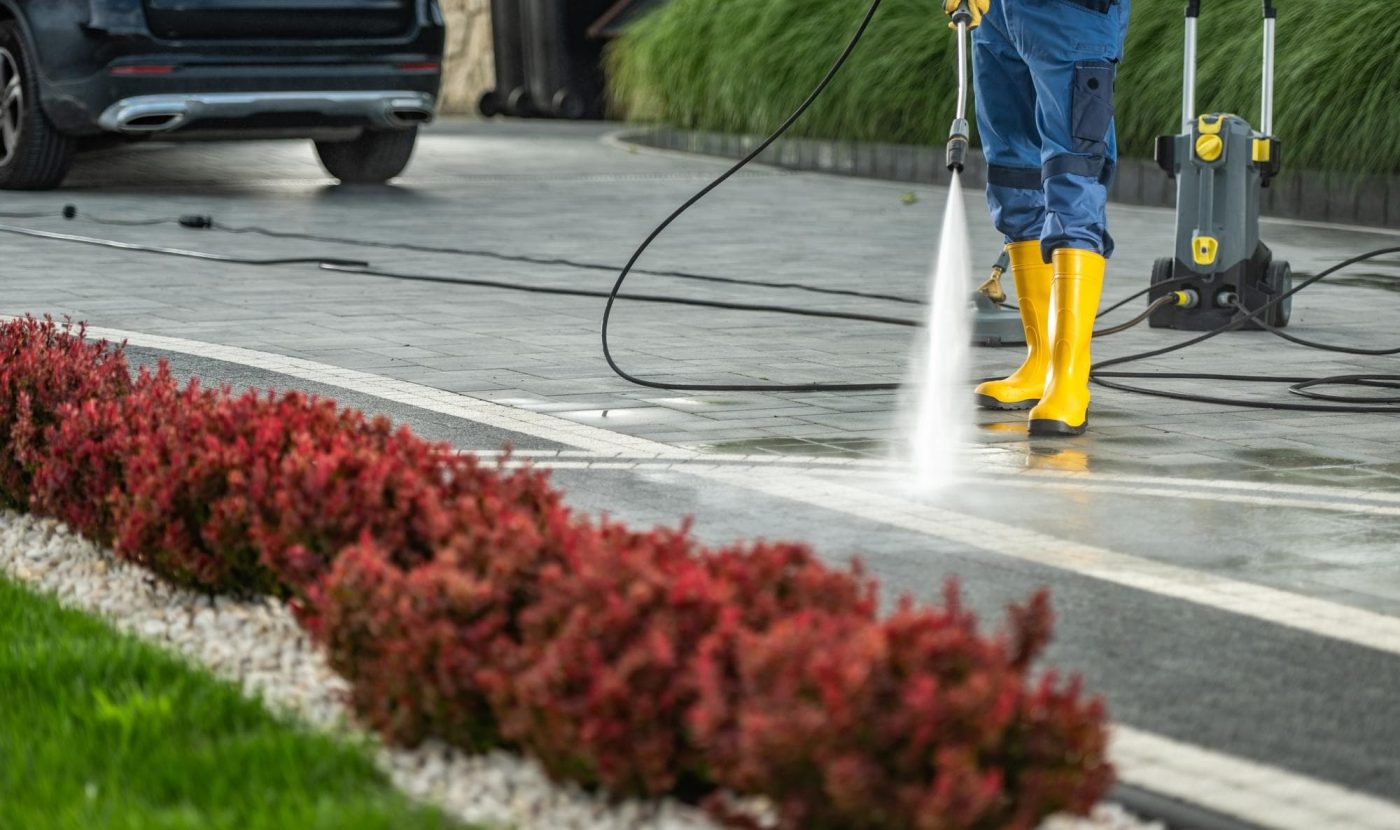
The outdoor jobs come first, because sealants and washes need mild, dry days to cure, and most years the first hard freeze reaches Peoria by mid to late October. Aim to finish anything involving water, paint, or sealer by early October, then move to the indoor work through the rest of the season. Setting a simple home maintenance schedule around that first freeze date keeps you from rushing the weather-sensitive tasks.
A short season of fall home maintenance also gives you a clear checklist to work through before winter, so nothing slips until it turns into a repair bill.
Water damage moves from the top of the house down, so the outdoor list starts at the roofline and works toward the ground.
A roof carries snow and ice for months, so a small gap in the shingles now can turn into a leak by January.
From the ground or a stable ladder, look for shingles that are lifted, cracked, or missing, and check the flashing around vents, skylights, and the chimney.
Dark streaks usually mean algae or moss holding moisture against the surface, and a shingle-safe soft wash clears that growth at low pressure without stripping the granules. If you spot damage or feel unsteady on a ladder, hand the inspection to a roofer.
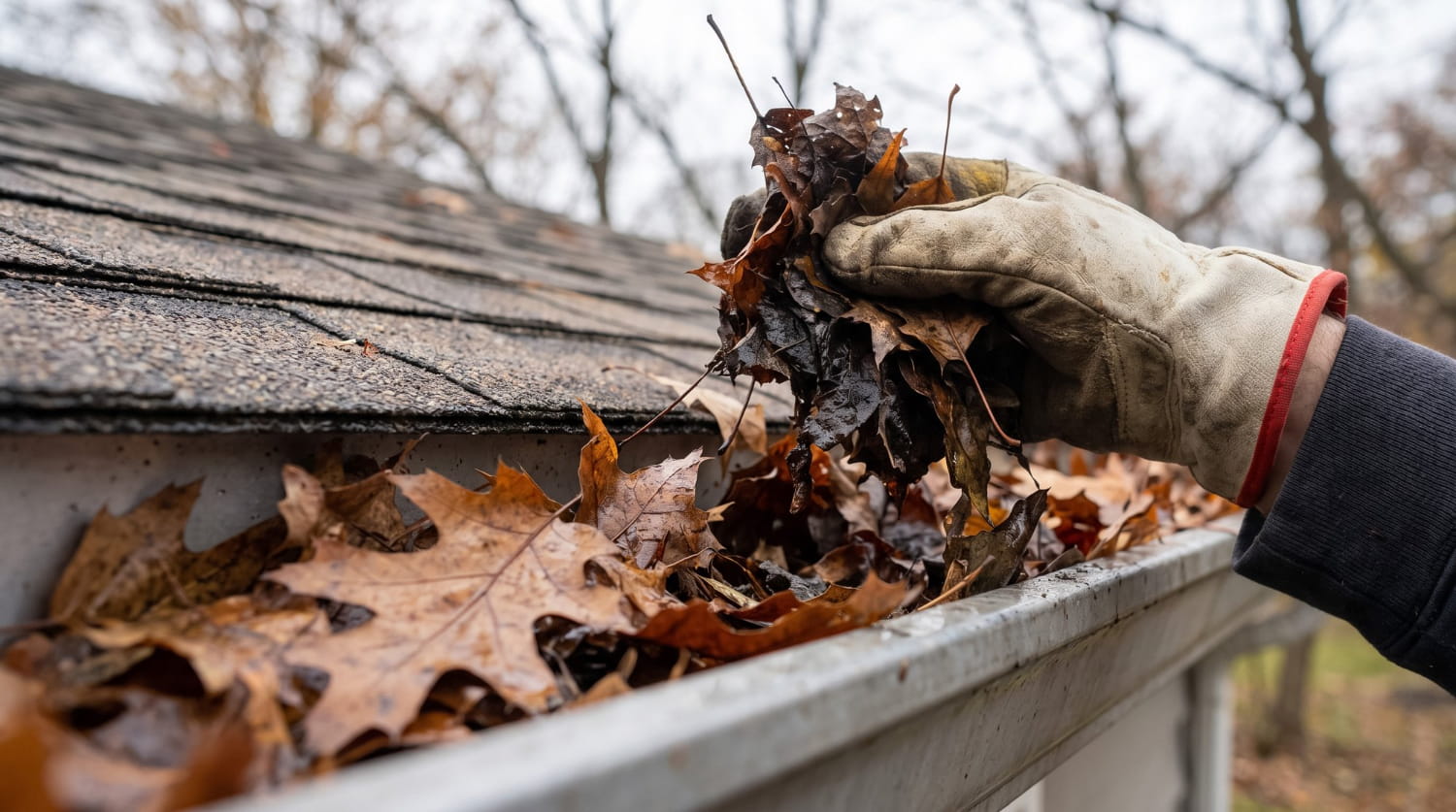
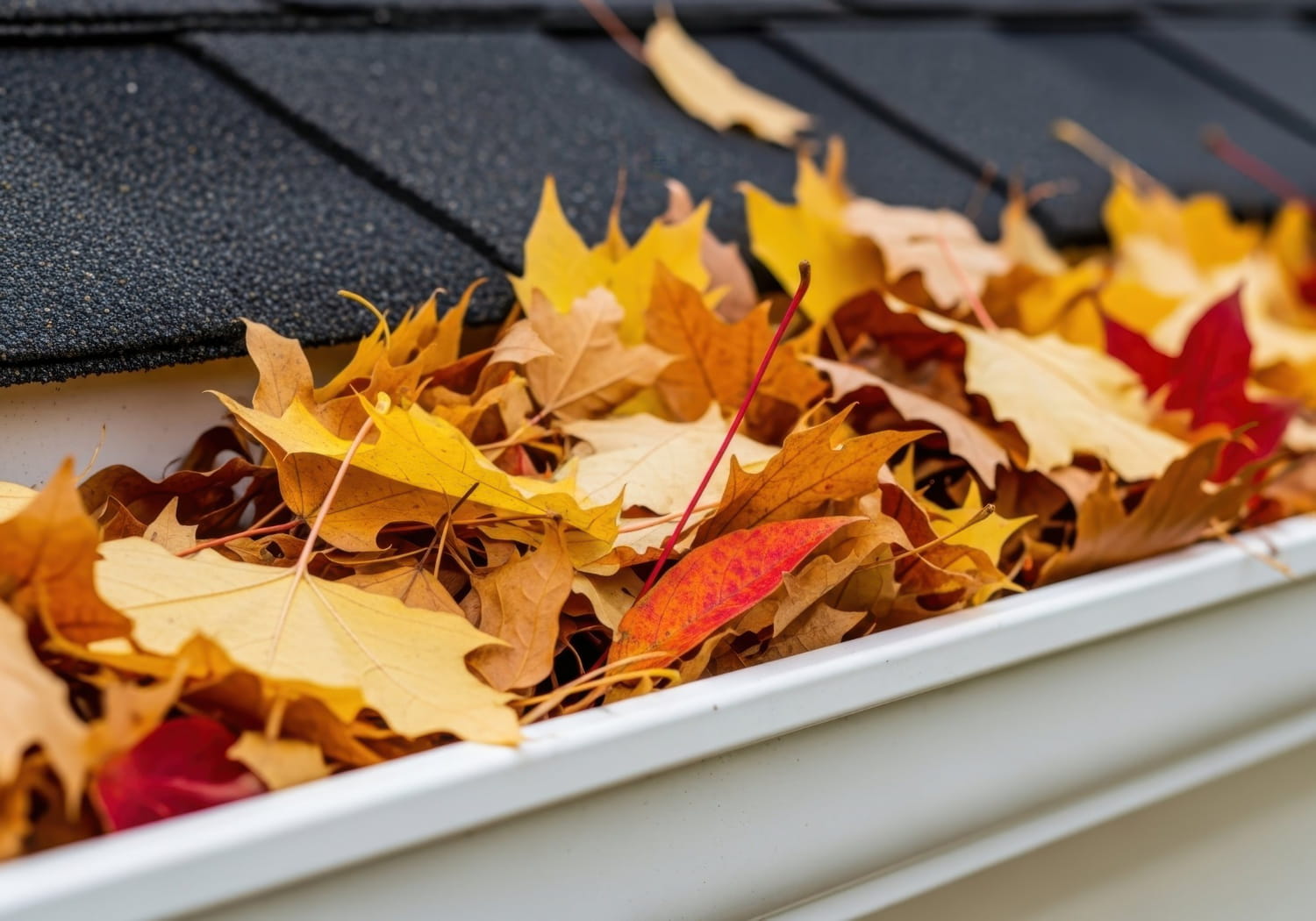
Wet Central Illinois leaves pack down inside gutters and block the flow, so rain and melt spill over the edge and pool against the house. When that trapped water freezes, it builds ice dams that push under the shingles and let moisture into the roofline.
Clear every run once the leaves finish dropping, flush the downspouts, and confirm the water lands several feet from the house.
Gutter guards cut the workload, but fine grit and seed pods still collect, so a fall check is still worth it. A professional gutter cleaning handles the two-story runs that are risky to reach.
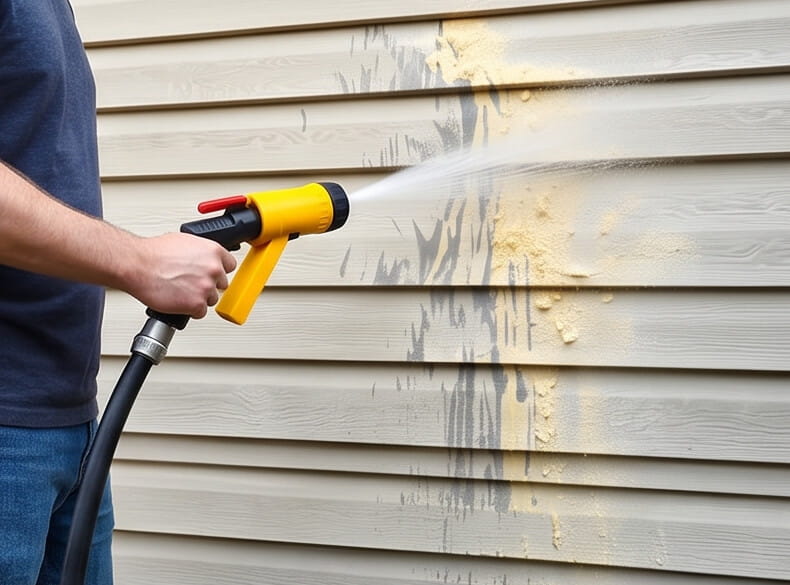
Siding collects a summer of pollen, dust, and mildew, and that buildup clings to the house through five cold, damp months if you leave it. Mold and algae keep spreading in the freeze-thaw wet of a Central Illinois winter, and they can stain vinyl and eat into painted wood over time.
A low-pressure house wash lifts the growth without forcing water behind the panels, which is why soft washing suits vinyl, brick, and painted surfaces. Getting it done in fall means your home heads into winter clean and holds its finish longer.
This is the one job Central Illinois homeowners skip and then regret. Water works into every hairline crack in concrete, then freezes and expands, and each freeze-thaw cycle chips away a little more of the surface, a pattern called spalling. Road salt tracked off winter streets speeds the damage on driveways and walkways.
A clean, sealed surface sheds that water and salt, so fall is the time to reseal wood decks on their normal two to three year cadence and to seal concrete and pavers before the cold arrives.
Sealer needs dry days above roughly 50 degrees to cure, which closes the window fast in October. Start with a thorough driveway and concrete cleaning, since sealer only bonds to a clean, dry surface.
Water left in an outdoor spigot or hose can freeze, expand, and split a pipe inside the wall, and the damage usually stays hidden until the spring thaw. Handle it in three quick moves before the freeze.
Basement window wells fill with leaves and dirt over the summer, and once they clog, a heavy rain or fast melt pushes water straight against the glass and into the basement.
Scoop them out, add a clear cover to keep debris and rain from collecting, and make sure the soil around the house slopes away so runoff drains off and does not pool by the wall. If you have a sump pump, pour a bucket of water into the pit to confirm it kicks on before the wet season.
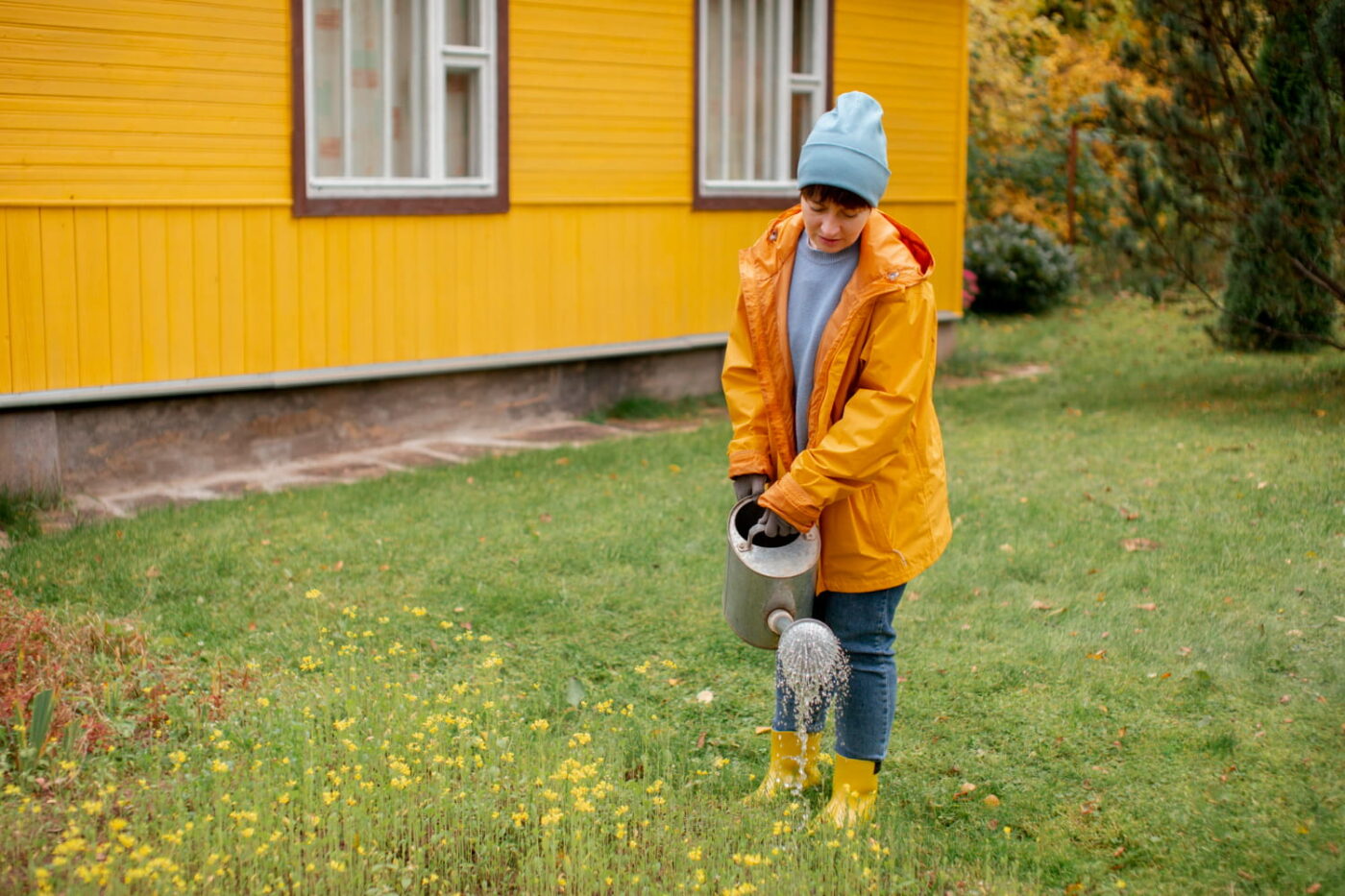
A thick mat of wet leaves left on the grass blocks light and traps moisture, which invites snow mold and leaves bare patches by spring.
Rake or mulch them down before the first snow, and drop your mower height for a shorter final cut so the blades do not fold over and smother new growth.
Early fall is also the best stretch to feed the lawn and overseed thin spots, since cool soil and steady moisture help the roots settle in before dormancy. A little effort now sets up a greener yard next April.
With the outside handled, turn to the systems that run hardest once the temperature drops.
Swap in a fresh filter before you run the heat, then book an HVAC technician for a tune-up that checks the burner, the blower, and the safety controls.
Clear any boxes or furniture away from vents and cold-air returns so warm air moves freely through the house. Booking early in the fall means you are not waiting on a busy technician during the first cold snap.
Closed windows, a running furnace, and space heaters raise the risk of carbon monoxide indoors, which makes fall the right time to test every detector in the house.
Press the test button on each unit, put in fresh batteries, and check the manufacture date printed on the back. Smoke detectors last about ten years and carbon monoxide detectors about six, so replace any older than that, even if it has not chirped yet.
Small gaps around windows and exterior doors let heat leak out and drive up the winter bill without you noticing.
On a breezy day, run your hand around each frame to feel for cold air, then add weatherstripping where the seal has worn and a sweep along the bottom of any drafty door.
Fresh caulk around window trim closes the smaller gaps. These are cheap fixes that pay for themselves over one heating season.