
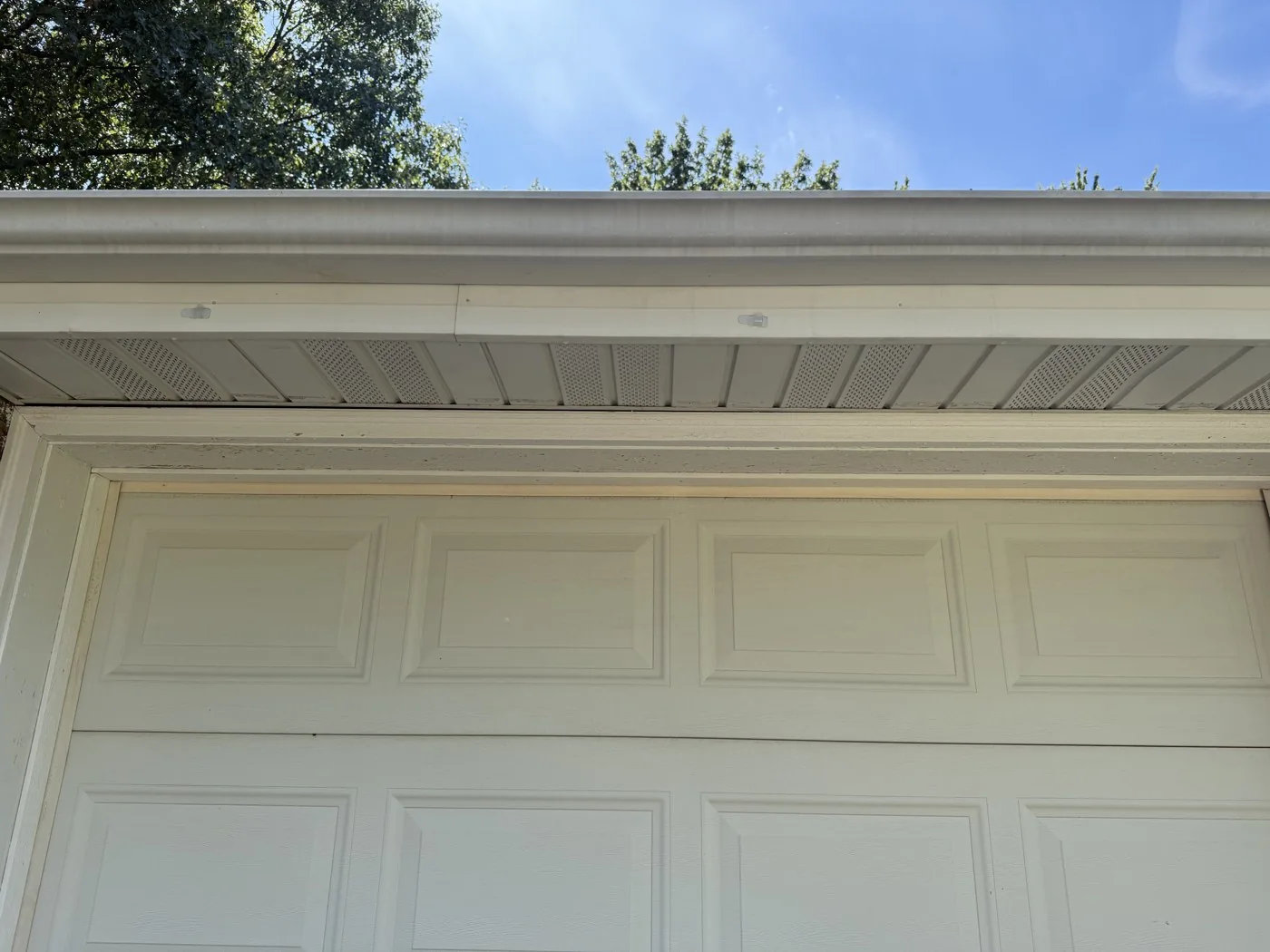
Start fall maintenance with active problems, then plan seasonal tasks around the weather and your home’s equipment. For an Illinois property, make a ground-level inspection of drainage and exterior surfaces, arrange needed repairs and follow the relevant instructions for winter preparation. A calendar date alone does not tell you that every job is ready.
Some items are simple housekeeping; others need an exterior-cleaning contractor, roofer, plumber or equipment technician. Separating them makes the list easier to finish and helps you ask the right person for the right work.
1. Walk the property and record concerns
Take a daylight walk from the street to the entry, around the house and into the outdoor areas you use. Note new stains, loose components, water collecting where it did not before and surfaces that have become difficult to use.
Use photographs to record the location, rather than climbing to inspect an uncertain problem. If there is active leaking, loose roofing, unstable decking or an electrical concern, prioritize an assessment by the appropriate trade before routine cleaning.
2. Check gutters, downspouts and visible drainage
Look for material collecting along the roofline, visible sagging and signs of overflow. When it is safe to observe rain from a sheltered position, note where water escapes and where downspouts discharge. An obstructed gutter is only one possible explanation for poor drainage.
A seasonal gutter check is a useful starting habit; nearby trees, storms and existing guards may change when attention is needed. Gutter cleaning can address accessible debris within the agreed scope. Repairs and buried-drain problems should be identified separately.
Clearing gutters is not a complete solution for roof ice dams. The National Weather Service explains that uneven roof temperatures are involved; recurring ice dams can require assessment of insulation, ventilation and other building conditions.
3. Inspect roofing from a safe position
Report missing or displaced materials, recurring leaks and unusual roofline changes to a roofing professional. If the concern is surface staining or buildup, discuss the roof material and its care requirements before arranging cleaning.
Roof cleaning is a different scope from roof repair. Do not use an ordinary exterior-cleaning checklist as permission to climb onto a roof or treat every dark mark yourself.
4. Plan siding, paths and window cleaning
List the areas that need attention and distinguish removable buildup from deteriorated paint, damaged sealant or other defects.
- Siding and trim: Discuss house washing for visible dirt and buildup.
- Driveways and walks: Describe staining, the surface material and any existing coating when asking about concrete cleaning.
- Windows: Specify inside, outside, screens and access concerns rather than assuming they are all one scope.
- Decks and fences: Identify loose parts and coating problems before deciding between cleaning and restoration.
Cleaning, staining and sealing can have different weather requirements. Ask about air and surface conditions, drying time and the forecast for the selected product. Do not squeeze coating work into a poor weather window simply to finish before a particular month.
5. Prepare water systems and outdoor equipment
Follow the instructions for your hose connections, irrigation system, pressure washer and other equipment that holds water. These systems do not all winterize in the same way. Disconnecting a hose is not a complete procedure for every outdoor plumbing installation.
Arrange a plumber or qualified irrigation provider when you need help identifying shutoffs, drainage steps or system-specific protection. Store products and equipment according to their labels and manuals. Do not use a running engine or outdoor combustion appliance to heat an enclosed area.
6. Review indoor seasonal maintenance
Check the maintenance schedule for heating equipment and arrange service where needed. Follow the manufacturer’s instructions for filters, smoke alarms and carbon-monoxide alarms, including testing and replacement. Chimneys and fuel-burning appliances may need their own professional inspection or maintenance.
Look for noticeable drafts and damaged weatherstripping, but avoid blocking intentional ventilation. FEMA’s Illinois winterization guidance is a useful planning reference; the details still depend on the building and its systems.
7. Turn the list into three manageable groups
On a narrow screen, scroll the table sideways to compare the columns.
| Priority | Examples to record | Next step |
|---|---|---|
| Assess promptly | Active leak, unstable component, electrical concern | Contact the appropriate repair professional |
| Schedule for suitable conditions | Gutter cleaning, exterior washing, finish preparation | Confirm scope, access and weather requirements |
| Follow the system schedule | Equipment storage, irrigation winterization, alarm maintenance | Use the applicable manual or qualified provider |
Keep a short note for each item: location, concern, person responsible and intended timing. If a task must wait, record what condition would make it more urgent. No separate worksheet download is needed to use this checklist.
Frequently asked questions
Does all fall cleaning need to be finished in October?
No. Conditions and the type of work matter more than one date. Discuss weather-sensitive tasks early, then confirm a suitable window.
Can I combine several exterior services in one request?
Yes. List each area so the scope and sequencing can be discussed. Combining the request does not mean every service uses the same method or can happen under the same conditions.
Will cleaning resolve drainage or structural problems?
Cleaning can remove buildup within its scope. Recurring drainage issues, leaks and damaged components may need repairs or a separate specialist.
Plan your fall exterior work
Share the areas that need cleaning, your city or ZIP code and any access or condition concerns. Request an exterior-cleaning estimate to turn the outdoor portion of your checklist into a defined plan.